
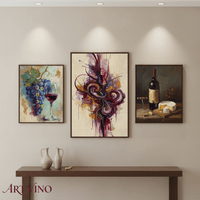
The Visual Cellar
Wine through the eye of the artist — from Dutch still life masters to contemporary label designers and vineyard photographers
Wine has inspired visual art for as long as it has been made. The ancient Greeks painted symposium scenes on their kraters — the very vessels in which wine was mixed — depicting the pleasurable social rituals of communal drinking with an exuberance that has never been surpassed. Dutch Golden Age still-life painters elevated the wine glass to a vehicle for meditation on transience and pleasure: Pieter Claesz's "Vanitas" paintings, with their overturned goblets and half-consumed flasks, are among the most psychologically complex images in Western art.
Contemporary wine art occupies a broader and more eclectic space. The wine label — that tiny rectangle of paper representing the winery's public face — has become one of the most dynamic canvases in commercial art. Mouton Rothschild's tradition of commissioning a different artist each vintage — Picasso, Miró, Warhol, Hockney, Jeff Koons — has influenced an entire generation of producers who now treat the label as a genuine artistic statement.
Wine photography has developed a sophisticated visual language of its own. The harvest photograph — hands reaching into the vine's canopy, the ripe cluster backlit by autumnal sun — is among the most copied images in the repertoire. The cellar photograph — barrels receding into darkness, the winemaker silhouetted against a wall of oak — communicates age, patience, and tradition in a single frame.
In each medium, wine provides the same gift it offers to all its admirers: a subject simultaneously sensory and philosophical, immediate and ancient, personal and universal. To collect wine art is to honor both the beauty of the beverage and the human creativity it perpetually inspires.
“Wine provides the visual artist with the same gift it offers all its admirers — a subject simultaneously sensory and philosophical, immediate and ancient.”