The Digital Cellar
How technology is transforming wine discovery, management, and appreciation — from cellar tracking to AI-powered label scanning
Wine and technology have had a complex relationship. For centuries, winemaking was resolutely empirical — knowledge transmitted through apprenticeship, the senses as the primary instruments of quality assessment, tradition as the principal guide. The technological revolution that has transformed almost every other aspect of human endeavor arrived in the winery cautiously and has been adopted unevenly.
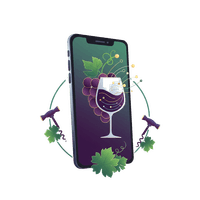
Digital tools for the consumer, however, have proliferated enthusiastically. Vivino — the world's most downloaded wine app — has accumulated a database of over 15 million wines and more than a billion tasting notes through crowdsourced user data. Its label-scanning technology provides instant access to critical scores, price comparisons, and food pairing suggestions, placing the collective intelligence of the app's 50 million users in the consumer's pocket at the moment of purchase.
Cellar management applications have transformed the challenge of tracking a growing collection. CellarTracker, the most comprehensive free platform available, allows users to log every bottle, track drinking windows, record tasting notes, and benchmark their assessments against a community of nearly a million other users. The best paid alternatives add features including integration with wine merchants, automated drinking window calculations, and professional inventory management tools.
Artificial intelligence is beginning to touch wine evaluation itself. Startups in France, the United States, and Israel have developed electronic nose systems capable of detecting wine faults and identifying grape varieties from analytical data. What is certain is that the wine lover today has access to more information, more efficiently delivered, than any previous generation. The challenge has shifted from access to curation — knowing which tools to trust and how to integrate them with the irreplaceable sovereignty of one's own developing palate.
“The challenge for the contemporary wine lover has shifted from access to curation — knowing which digital tools to trust and how to integrate them with one's own developing palate.”